
Case Study: How Sport Psychology Helped a Local Team Win the Championship


Sport psychology has become an integral part of athletic success, and nowhere is this more evident than in the recent victory of a local team in the championship. By integrating sport psychology techniques into their training regimen, the team was able to enhance their performance, focus, and resilience, ultimately leading them to victory.

Understanding Sport Psychology
Sport psychology involves the study of how psychological factors influence sports, athletic performance, and physical activity. It focuses on helping athletes improve their mental game to enhance their physical performance. The local team utilized these psychological strategies to build a winning mindset.
Building Mental Resilience
Mental resilience is a crucial component of athletic success. The team worked with a sport psychologist to develop techniques for managing stress and maintaining focus under pressure. This included mindfulness training, visualization exercises, and stress management strategies.

Key Techniques Used
Visualization and Imagery
Visualization is a powerful tool in sport psychology. The team practiced visualizing successful plays and outcomes to build confidence. This technique helped athletes anticipate different scenarios and respond effectively during games.
- Mental rehearsal of plays
- Confidence building through positive imagery
- Scenario planning and strategic thinking
Goal Setting
Setting clear, achievable goals was another strategy used by the team. They set both short-term and long-term goals, which were regularly reviewed and adjusted as needed. This approach kept the team motivated and focused on their objectives.

Results and Impact
The impact of integrating sport psychology was evident in the team’s performance. They demonstrated improved concentration, reduced performance anxiety, and a stronger sense of team cohesion. These psychological improvements translated into physical success on the field.
Improved Team Cohesion
Enhanced communication and mutual support were byproducts of the psychological training. Team members learned to trust each other more and communicate effectively, which was crucial during high-pressure situations.
- Open communication among team members
- Trust-building exercises
- Unified team goals
Conclusion
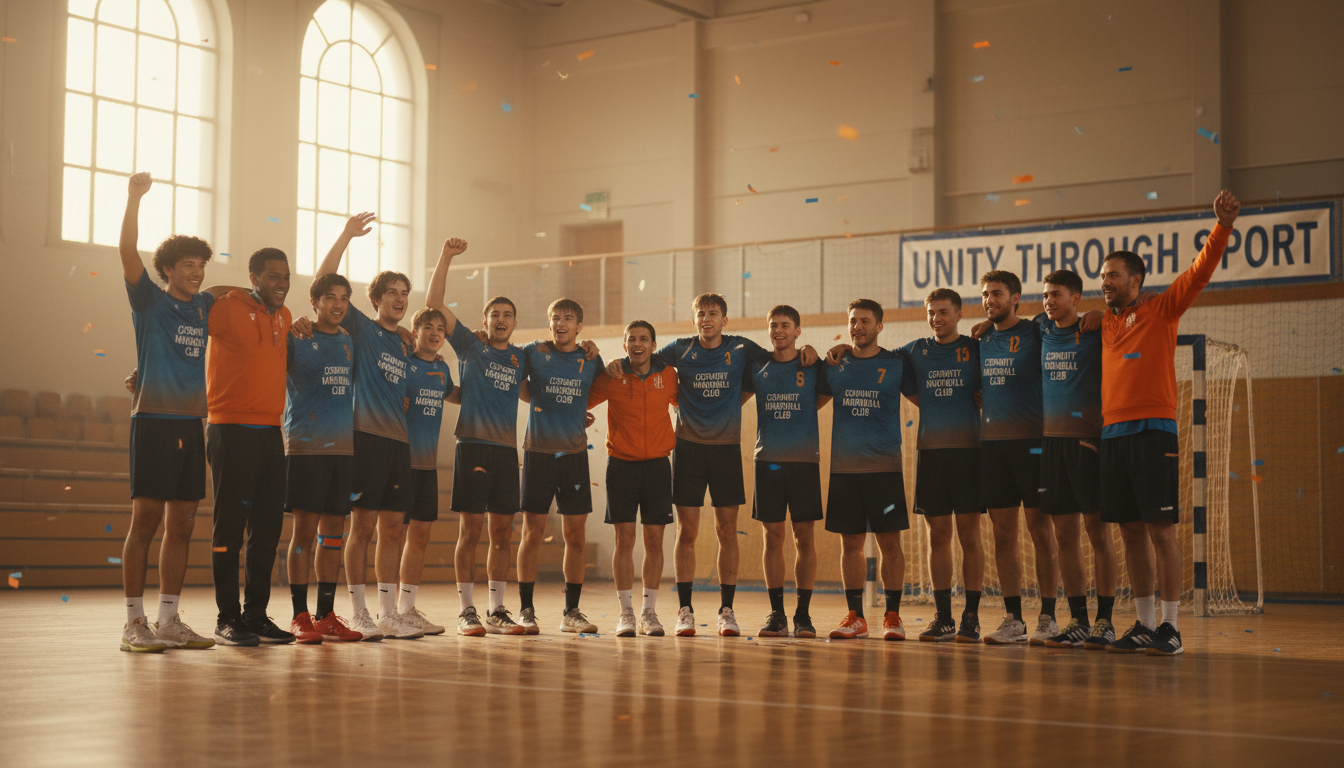
The local team's championship win is a testament to the power of sport psychology. By focusing on mental resilience, visualization, and goal setting, they were able to achieve their full potential. This case study serves as an inspiring example for other teams looking to enhance their performance through psychological training.