
Case Study: Transforming Athlete Performance with Sport Psychology


Introduction to Sport Psychology
In recent years, the field of sport psychology has gained significant traction as athletes seek to enhance their performance and mental well-being. This case study delves into how sport psychology can transform an athlete's performance, focusing on mental toughness, confidence, and emotional regulation.
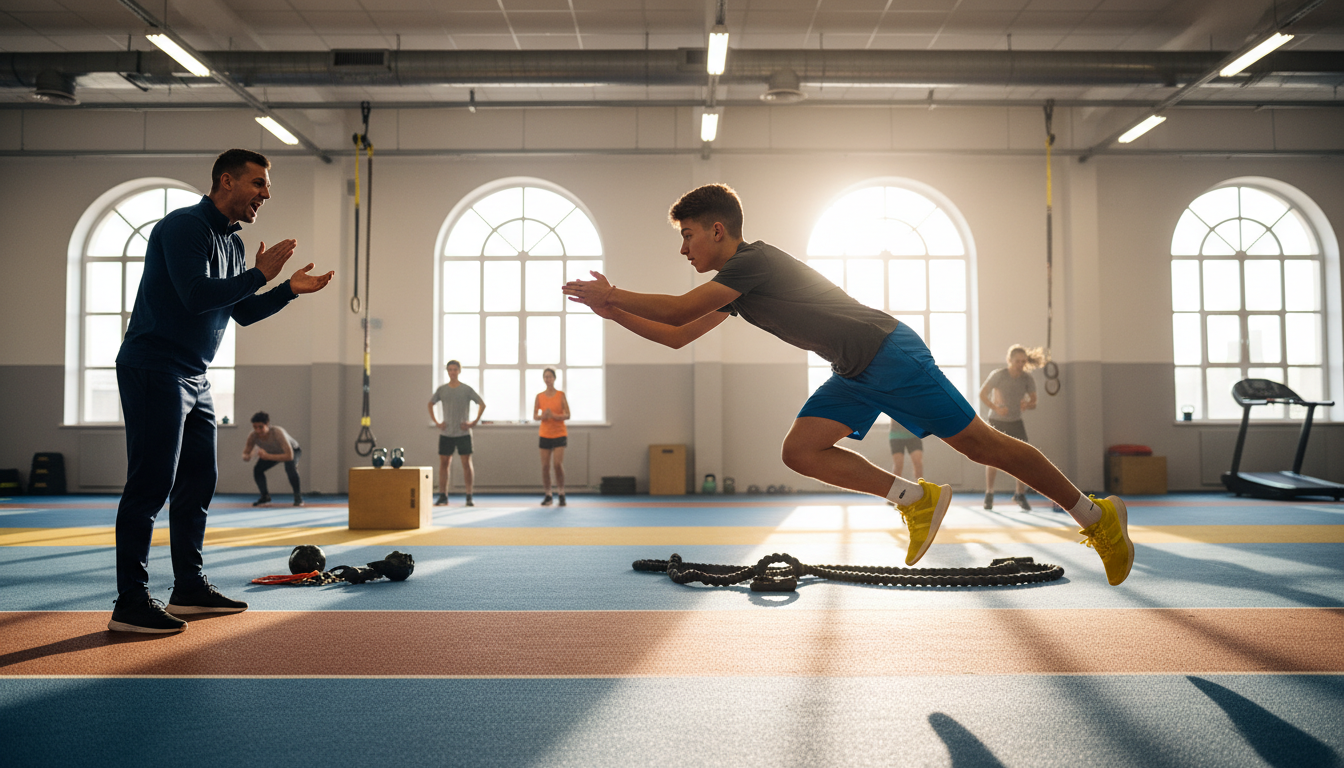
The Role of Mental Toughness
Mental toughness is a critical component in achieving peak athletic performance. It involves resilience, focus, and the ability to handle pressure. Athletes with strong mental toughness can maintain their performance levels despite challenges and setbacks.
Several strategies can help develop this trait:
- Visualization: Imagining successful outcomes to build confidence.
- Goal Setting: Establishing clear, achievable goals for motivation.
- Self-talk: Using positive affirmations to maintain focus.
Building Confidence
Confidence is another vital aspect of an athlete's mental toolkit. It can be influenced by past performances, preparation, and the athlete's self-perception. Sport psychologists often work with athletes to build and maintain high levels of confidence.

Techniques to enhance confidence include:
- Feedback: Constructive feedback helps athletes understand their strengths and areas for improvement.
- Role Models: Observing and learning from successful athletes.
- Mastery Experiences: Focusing on skill mastery to boost self-belief.
Emotional Regulation
Managing emotions is crucial for optimal performance. Athletes must learn to regulate feelings of anxiety, excitement, and frustration to perform consistently. Emotional regulation strategies include mindfulness, relaxation techniques, and cognitive restructuring.

Practicing mindfulness, for instance, can help athletes stay present and focused, reducing the impact of stressors. Relaxation techniques such as deep breathing can calm the mind and body before competitions.
Case Study: A Real-World Transformation
Consider the case of a professional tennis player struggling with performance anxiety. By working with a sport psychologist, the athlete learned to identify anxiety triggers and implement effective coping strategies. Through consistent practice of visualization and self-talk, the player's performance improved dramatically.
This transformation highlights the power of sport psychology in not only enhancing athletic performance but also in improving overall well-being. As athletes continue to push the boundaries of human potential, the integration of psychological training becomes increasingly essential.