
Expert Advice: Common Misconceptions About Sport Psychology


Understanding Sport Psychology
Sport psychology is a fascinating field that often gets misunderstood. It's more than just motivating athletes or helping them focus. It involves a wide range of techniques and principles that can enhance an athlete's performance and well-being. From recreational players to elite professionals, sport psychology can benefit anyone involved in physical activities.

Misconception 1: Sport Psychology Is Only for Elite Athletes
A common myth is that sport psychology services are only for those who compete at the highest levels. In reality, *anyone* who participates in sports can benefit. Whether you're a weekend warrior or a high school athlete, mental strategies can help improve your game and enjoyment of the sport.
Misconception 2: It's All About Motivation
While motivation is a crucial component, sport psychology is not just about getting athletes fired up for competition. It encompasses a broad spectrum of techniques including goal setting, visualization, relaxation methods, and developing concentration skills. These tools help athletes manage stress, recover from setbacks, and maintain a healthy balance between sport and life.
Misconception 3: Sport Psychologists Only Work on Mental Weaknesses
Another misconception is that sport psychologists are only needed when there's a mental barrier or problem. However, they also focus on *enhancing strengths* and optimizing performance, using positive reinforcement and mental skills training to help athletes reach their full potential.
The Role of Mental Skills Training
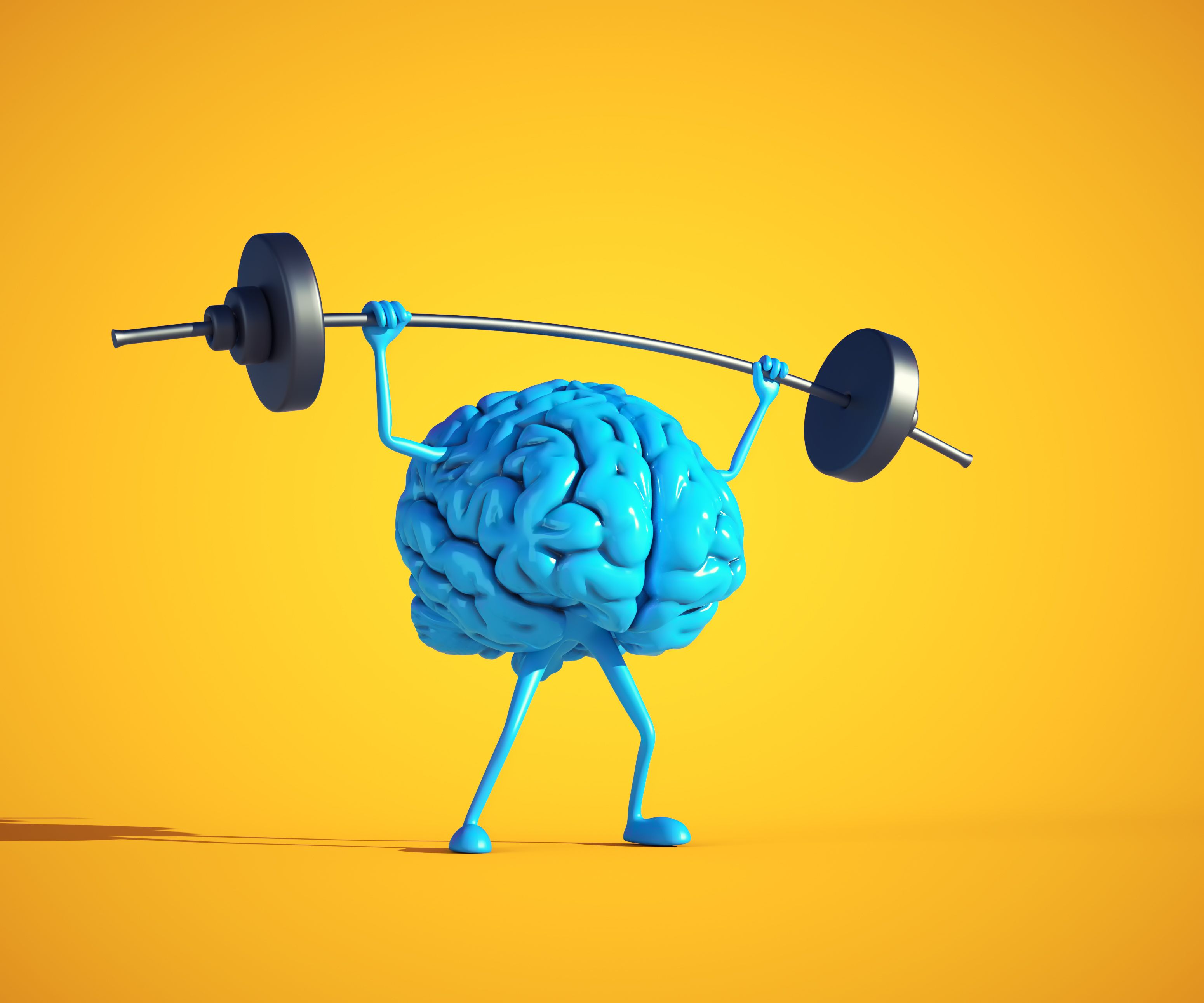
Sport psychology isn't just about addressing issues; it's about building resilience and enhancing performance. Mental skills training involves teaching athletes how to focus, control their emotions, and maintain motivation over the long term. This training can be as vital as physical conditioning.
Misconception 4: It's a Quick Fix
Some believe that sport psychology can provide instant solutions, but like any form of training, it requires time and effort. Athletes must practice mental skills consistently to see results, just as they would with physical skills. It's about building a mental toolkit that can be accessed during competition.
Misconception 5: Only Individual Sports Benefit
While individual sports athletes often seek sport psychology support, team sports can also gain significantly. Techniques such as enhancing communication, building team cohesion, and developing leadership skills are crucial in team settings. A well-functioning team can achieve more when mental strategies are in place.

Conclusion: Embracing Sport Psychology
Sport psychology offers valuable insights and techniques that can enhance both performance and enjoyment in sports. By dispelling these common misconceptions, athletes at all levels can open themselves up to the benefits of mental training. Embracing this field can lead to a more fulfilling and successful sporting experience.