
Expert Insights: Overcoming Performance Anxiety in Sports


Understanding Performance Anxiety
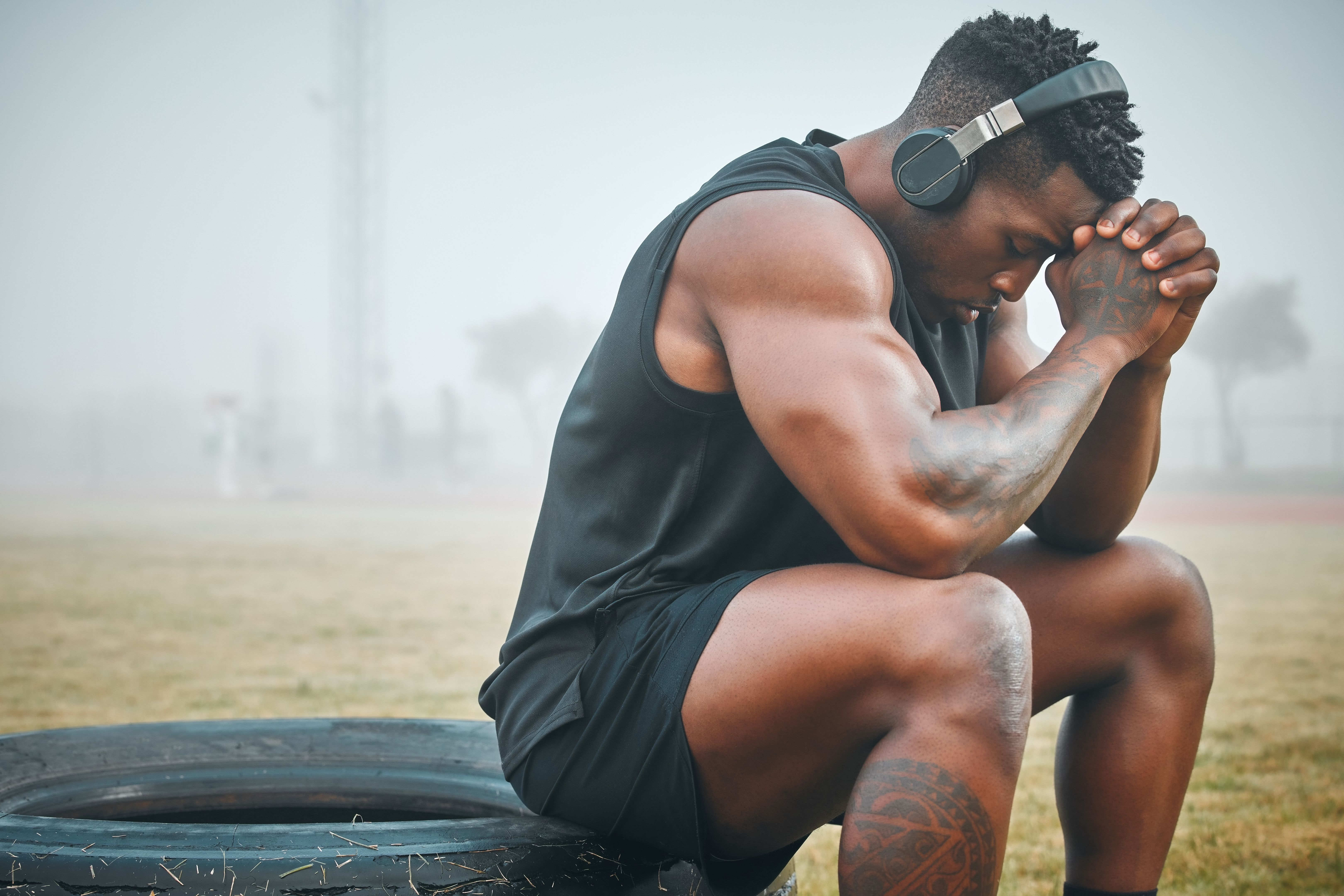
Performance anxiety in sports is a common challenge faced by athletes at all levels. It manifests as a fear of underperforming, often leading to stress and decreased performance. Recognizing the signs of performance anxiety is the first step toward overcoming it. Symptoms can include increased heart rate, sweating, trembling, and negative self-talk.
Athletes may experience these symptoms before or during competitions, which can significantly impact their ability to perform at their best. Understanding the root causes of performance anxiety is crucial for developing effective coping strategies.
Identifying Triggers
Every athlete has unique triggers that can lead to performance anxiety. Common triggers include high expectations, fear of failure, and pressure from coaches or peers. Identifying these triggers is essential for managing anxiety effectively.
Athletes can benefit from keeping a journal to record situations that provoke anxiety. By analyzing these patterns, they can better understand their triggers and work towards mitigating them. This proactive approach is crucial in developing resilience and confidence.

Strategies for Overcoming Anxiety
Several strategies can help athletes overcome performance anxiety. One effective method is practicing mindfulness and relaxation techniques. These practices can help athletes stay present and focused, reducing stress and anxiety.
- Breathing exercises: Deep breathing can calm the nervous system and provide a sense of control.
- Visualization: Imagining successful performance can boost confidence and reduce fear.
- Positive self-talk: Replacing negative thoughts with positive affirmations can improve mindset.

Building a Support System
A strong support system is invaluable for athletes dealing with performance anxiety. Coaches, teammates, and family members can provide encouragement and understanding. Open communication about anxiety can help demystify the experience and reduce feelings of isolation.
Additionally, seeking professional help from sports psychologists can offer tailored strategies and insights. These experts can guide athletes in developing personalized plans to manage anxiety effectively.

Developing a Resilient Mindset
Building mental resilience is key to overcoming performance anxiety. Athletes should focus on setting realistic goals and celebrating small achievements. This shift in focus can help maintain motivation and reduce pressure.
Resilience training often involves learning to embrace failure as a learning opportunity rather than a setback. By fostering a growth mindset, athletes can view challenges as avenues for improvement.

Conclusion
Overcoming performance anxiety in sports is a journey that requires self-awareness, strategic planning, and support. By identifying triggers, employing effective strategies, and building a resilient mindset, athletes can enhance their performance and enjoyment of the sport.
Embracing these expert insights can lead to a more fulfilling and successful athletic experience, where anxiety becomes a manageable part of the competitive landscape rather than an obstacle to overcome.