
How Sport Psychology Can Enhance Team Dynamics


Understanding Sport Psychology
Sport psychology is a field that combines the principles of psychology with the world of sports to enhance athletic performance and improve team dynamics. By understanding how mental factors influence physical performance, teams can build stronger connections and achieve their goals more effectively. This discipline focuses on the mental and emotional aspects of sports, helping athletes and teams reach their full potential.
The role of a sport psychologist is to work with teams to develop mental strategies that improve focus, motivation, and resilience. These strategies can be tailored to individual athletes as well as entire teams, ensuring that everyone benefits from a cohesive approach to mental training.

The Impact on Communication
Effective communication is a cornerstone of successful team dynamics. Sport psychology helps teams develop better communication skills by teaching athletes how to express their thoughts clearly and listen actively to their teammates. This improved communication can lead to better understanding and collaboration on and off the field.
Teams that communicate effectively are more likely to trust each other, share ideas, and work together towards common objectives. This trust is essential for creating a positive team culture where every member feels valued and respected.
Building Mental Toughness
Mental toughness is a critical component of athletic success. Sport psychology provides techniques to enhance mental toughness, such as visualization, goal setting, and self-talk. These techniques help athletes stay focused under pressure and recover quickly from setbacks.
By fostering a resilient mindset, teams can maintain performance levels even when faced with challenges. This resilience is not only beneficial for competition but also for handling the ups and downs of training and team interactions.
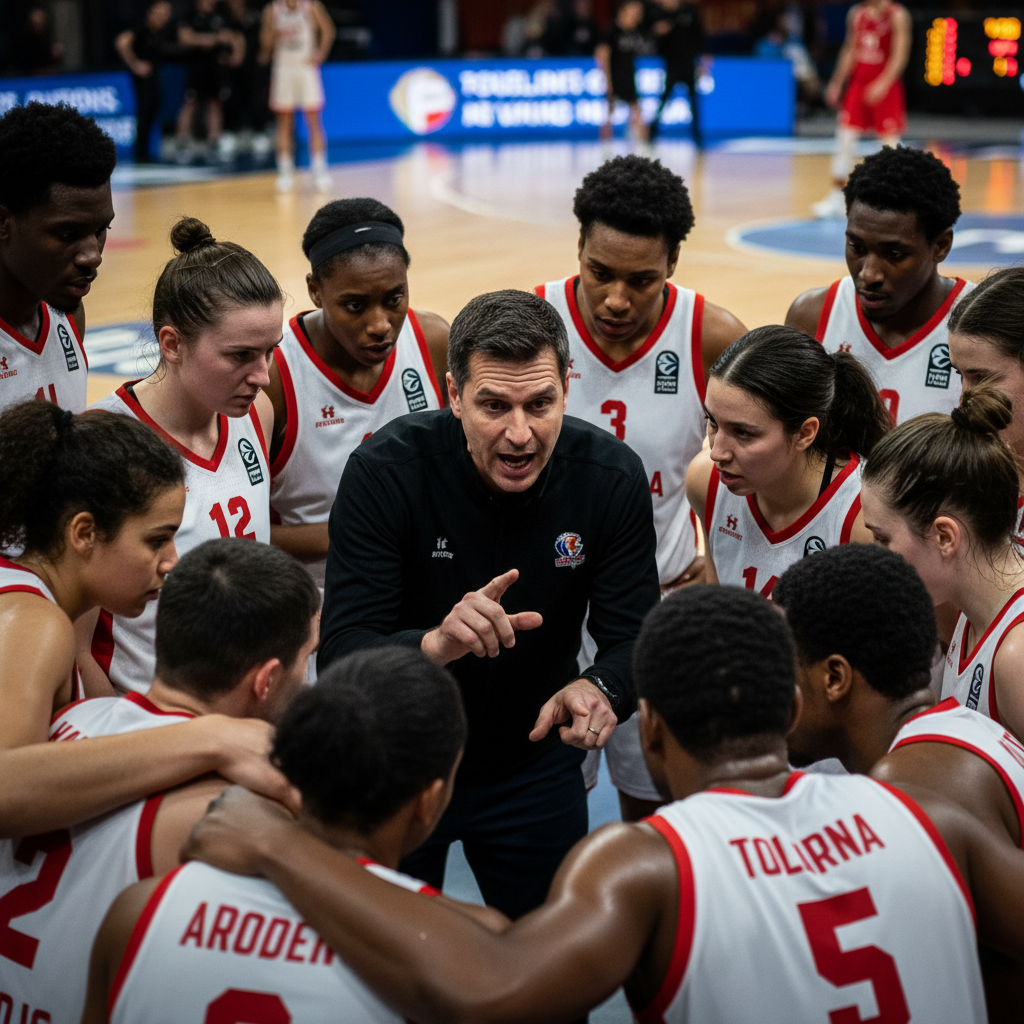
Developing Team Cohesion
Team cohesion refers to the ability of team members to work together harmoniously to achieve a common goal. Sport psychology interventions can enhance team cohesion by promoting shared values, goals, and a sense of belonging. Team-building exercises and workshops are often used to strengthen these bonds.
A cohesive team is more likely to support each other during difficult times and celebrate successes together, leading to a more enjoyable and productive sports environment.
Enhancing Motivation
Motivation is a driving force behind athletic performance. Sport psychologists help teams identify both intrinsic and extrinsic motivators, creating an environment where athletes are inspired to give their best effort consistently. Understanding what motivates each team member can lead to personalized approaches to encouragement and recognition.

By fostering a motivational climate, teams can sustain high levels of enthusiasm and commitment throughout the season, leading to improved performance and satisfaction.
Conclusion
Incorporating sport psychology into team dynamics offers numerous benefits, from improved communication and mental toughness to enhanced motivation and team cohesion. By understanding and addressing the psychological aspects of sports, teams can unlock their full potential and achieve greater success both on and off the field.