
How Sport Psychology Can Help Athletes Recover from Injuries


Sports injuries can be a significant setback for athletes, affecting not only their physical health but also their mental well-being. The road to recovery often requires more than just physical rehabilitation. This is where sport psychology plays a crucial role in helping athletes recover effectively.
The Psychological Impact of Sports Injuries
Injuries can lead to feelings of frustration, anxiety, and depression. Athletes may experience a loss of identity and purpose, especially if their injury sidelines them from the sport they love. Understanding these psychological impacts is the first step in utilizing sport psychology for recovery.

Emotional Responses to Injuries
Athletes often go through stages of grief similar to those experienced during other significant losses. These stages can include denial, anger, bargaining, depression, and acceptance. Recognizing these emotions is essential in creating a supportive environment for recovery.
Sport psychologists can assist athletes in navigating these emotions by providing coping strategies and emotional support. This can significantly reduce the emotional burden of injuries.
Building Mental Resilience
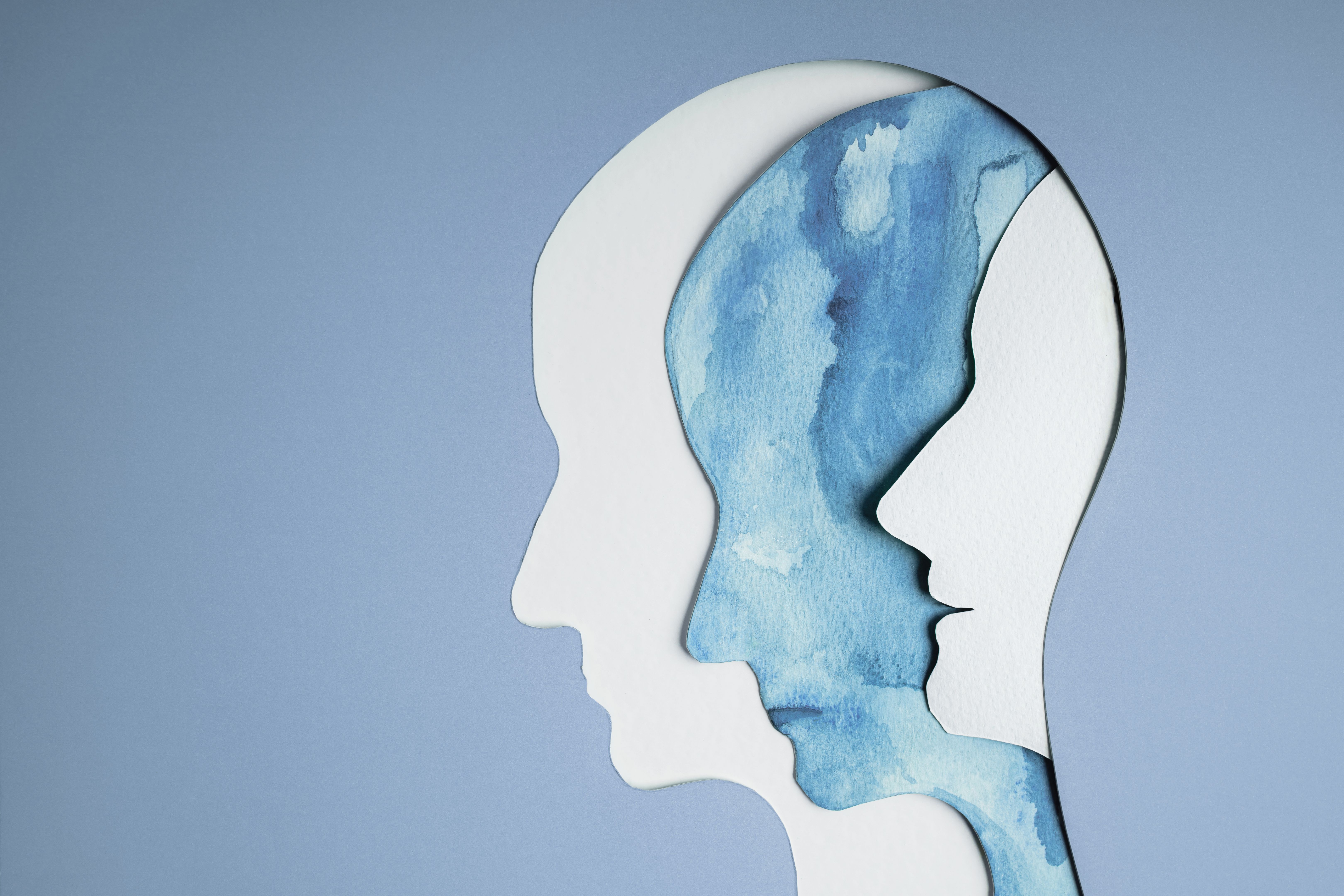
Mental resilience is a key component in overcoming sports injuries. Athletes with strong mental resilience are better equipped to handle setbacks and maintain a positive outlook during their recovery journey.
Techniques for Enhancing Resilience
Sport psychologists employ various techniques to boost an athlete's resilience, including:
- Goal Setting: Establishing realistic and achievable goals to maintain motivation.
- Visualization: Using mental imagery to envision successful recovery and performance.
- Mindfulness: Practicing mindfulness exercises to stay focused and reduce stress.
The Role of Motivation in Recovery
Maintaining motivation during recovery can be challenging. Athletes need to stay engaged and committed to their rehabilitation programs. Sport psychologists work with athletes to foster intrinsic motivation, ensuring they remain dedicated to their recovery.

Strategies for Sustaining Motivation
Some strategies to maintain motivation include:
- Positive Reinforcement: Celebrating small victories and progress.
- Peer Support: Encouraging connections with teammates and support networks.
- Routine Establishment: Creating a structured rehabilitation schedule with clear milestones.
Conclusion
Sport psychology is a powerful tool in the recovery process for athletes dealing with injuries. By addressing the psychological aspects of recovery, athletes can regain not only their physical strength but also their mental fortitude. Embracing these strategies can lead to a more comprehensive and successful recovery journey.