
Mental Resilience in Sports: Techniques from Venezuelan Experts


Mental resilience is a crucial component of athletic success, enabling athletes to maintain focus, overcome adversity, and achieve peak performance. In Venezuela, sports psychology experts have developed unique techniques to bolster this vital trait in athletes.
Understanding Mental Resilience
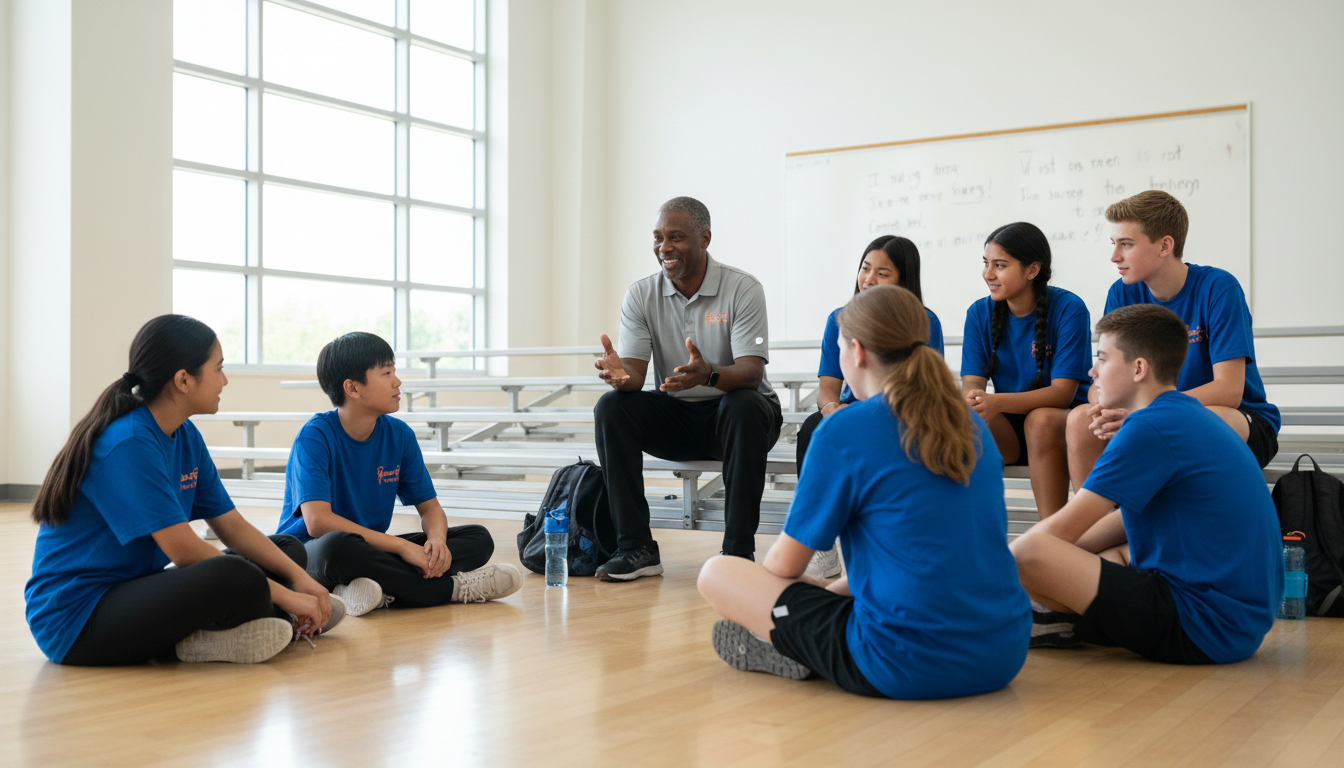
Mental resilience refers to an athlete's ability to cope with pressure, bounce back from setbacks, and stay committed to their goals. It involves a combination of mental toughness, emotional intelligence, and adaptability. Venezuelan experts emphasize the importance of cultivating these qualities to enhance an athlete's overall performance.
Building mental resilience requires a multidimensional approach, incorporating psychological strategies, physical training, and lifestyle adjustments. Venezuelan sports psychologists have been at the forefront of developing innovative methods tailored to the unique needs of athletes in various sports.
Visualization and Goal Setting
One technique widely used by Venezuelan professionals is visualization. Athletes are encouraged to create vivid mental images of success, which helps in building confidence and reinforcing a positive mindset. This practice is often paired with goal setting, allowing athletes to set clear, achievable objectives that drive motivation and focus.

Goal setting involves breaking down larger goals into smaller, manageable tasks. This approach not only makes the process less daunting but also provides a clear roadmap for athletes to follow. By celebrating small victories along the way, athletes maintain motivation and build resilience against setbacks.
Mindfulness and Relaxation Techniques
Mindfulness is another powerful tool advocated by Venezuelan experts. By practicing mindfulness, athletes learn to stay present and maintain focus during competitions. Techniques such as deep breathing and meditation help in calming the mind, reducing anxiety, and enhancing concentration.
Relaxation techniques are also integral to building mental resilience. Progressive muscle relaxation, for instance, is used to release tension and promote a state of calmness. These practices enable athletes to recover quickly from stress and maintain their composure under pressure.

Emotional Intelligence and Support Systems
Developing emotional intelligence is key to understanding and managing one's emotions effectively. Venezuelan experts stress the importance of self-awareness, empathy, and emotional regulation as part of resilience training. Athletes are taught to recognize their emotional responses and develop strategies to manage them constructively.
Building a robust support system is also crucial. Coaches, teammates, and family members play a vital role in an athlete's mental resilience. Venezuelan strategies often involve creating a network of support to provide encouragement and guidance, helping athletes navigate challenges more effectively.
The Role of Adaptability and Flexibility
Adaptability is a critical component of mental resilience. Venezuelan sports psychologists encourage athletes to embrace change and view challenges as opportunities for growth. By fostering a mindset of flexibility, athletes can adjust their strategies and maintain confidence even when faced with unexpected obstacles.
Incorporating these techniques into training programs not only enhances athletic performance but also contributes to personal growth and development. As Venezuelan experts continue to refine these methods, athletes worldwide can benefit from their insights, building stronger, more resilient competitors.