
Overcoming Performance Anxiety: Tips from Expert Sport Psychologists


Understanding Performance Anxiety
Performance anxiety is a common issue faced by athletes at all levels. It can manifest as nervousness, self-doubt, and a fear of failure. These feelings can hinder performance, but understanding the root causes can be the first step to overcoming them.
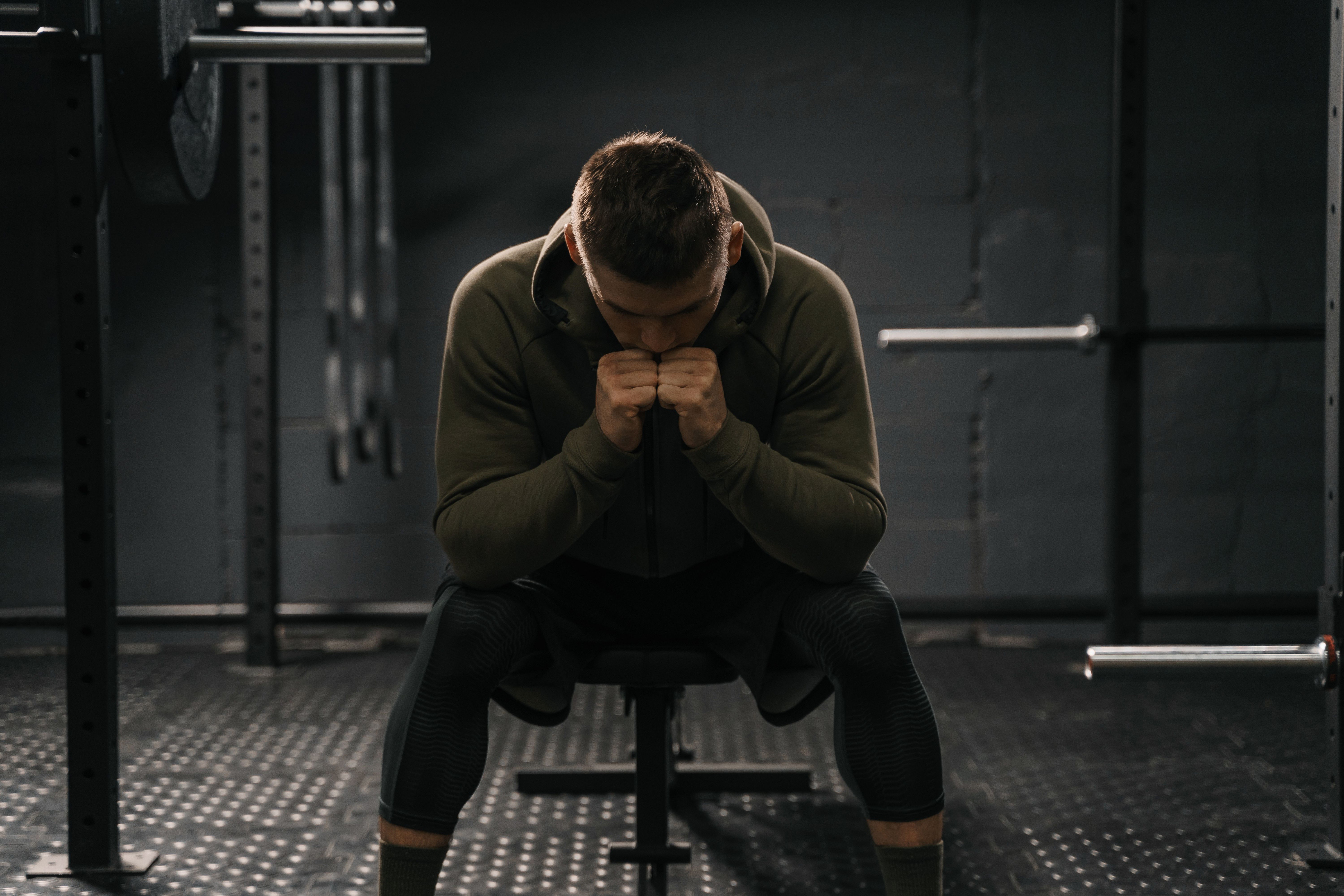
Identify the Symptoms
Many athletes experience symptoms such as increased heart rate, sweaty palms, and a sense of dread before a competition. Recognizing these symptoms allows athletes to address them proactively. Sport psychologists often emphasize the importance of self-awareness in managing anxiety.
Mindfulness and Relaxation Techniques
Mindfulness practices, such as meditation and deep-breathing exercises, are effective in calming the mind and body. These techniques help athletes stay present and focused, reducing the impact of anxiety on their performance.
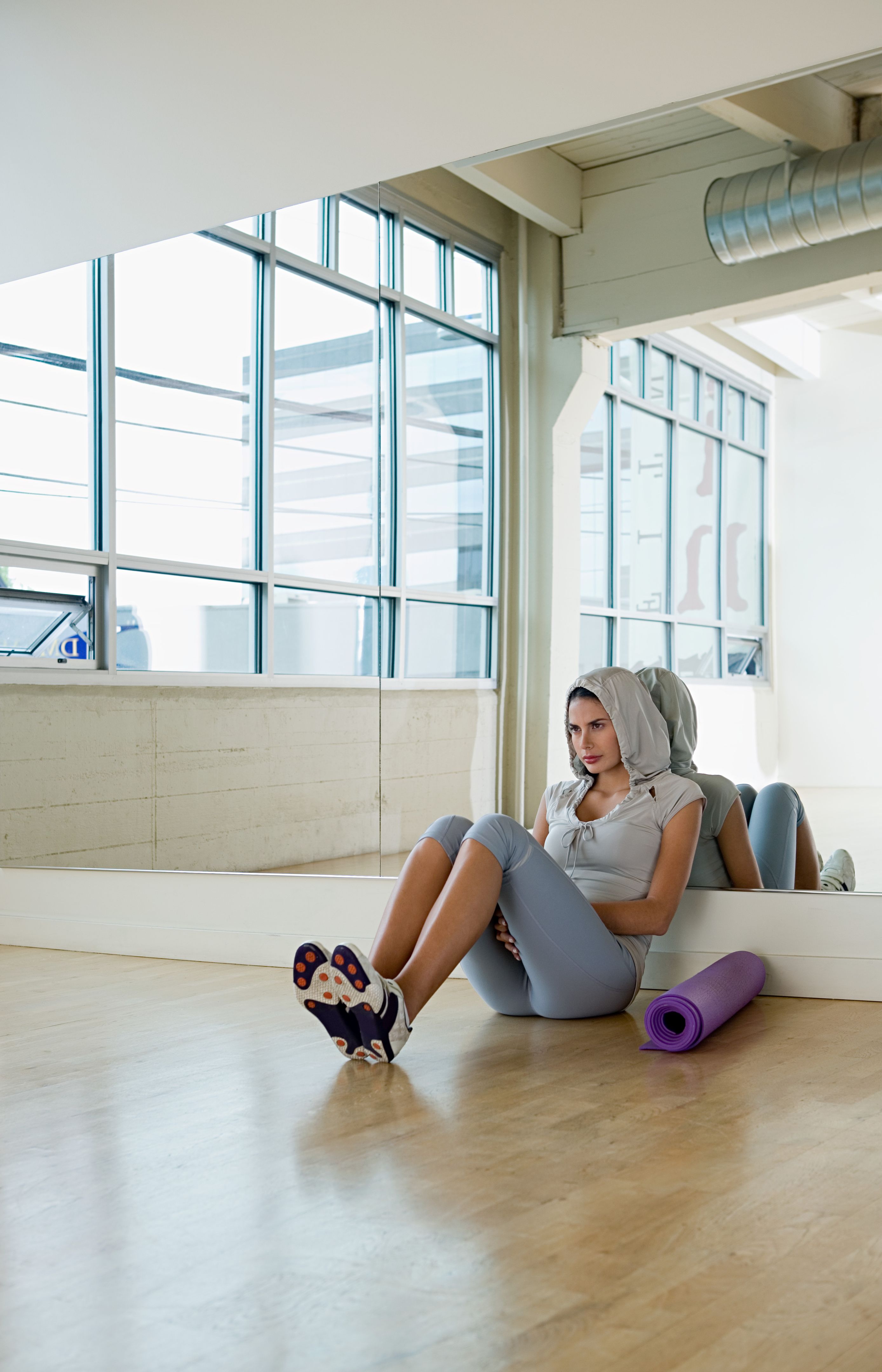
Visualization and Positive Self-Talk
Visualization involves mentally rehearsing a successful performance, allowing athletes to build confidence and prepare for various scenarios. Positive self-talk, on the other hand, helps in shifting focus from negative thoughts to empowering affirmations.
Set Realistic Goals
Setting achievable and specific goals can reduce pressure and provide a clear path forward. Sport psychologists recommend breaking larger goals into smaller, manageable tasks to maintain motivation and focus.

Develop a Pre-Performance Routine
A consistent routine can provide structure and familiarity, helping athletes feel more in control. This might include specific physical warm-ups, mental preparation, or even listening to a favorite playlist.
Seek Professional Support
Working with a sport psychologist can provide tailored strategies to overcome performance anxiety. These professionals can offer insights and tools that are specifically designed for an athlete's unique needs.
Practice Makes Perfect
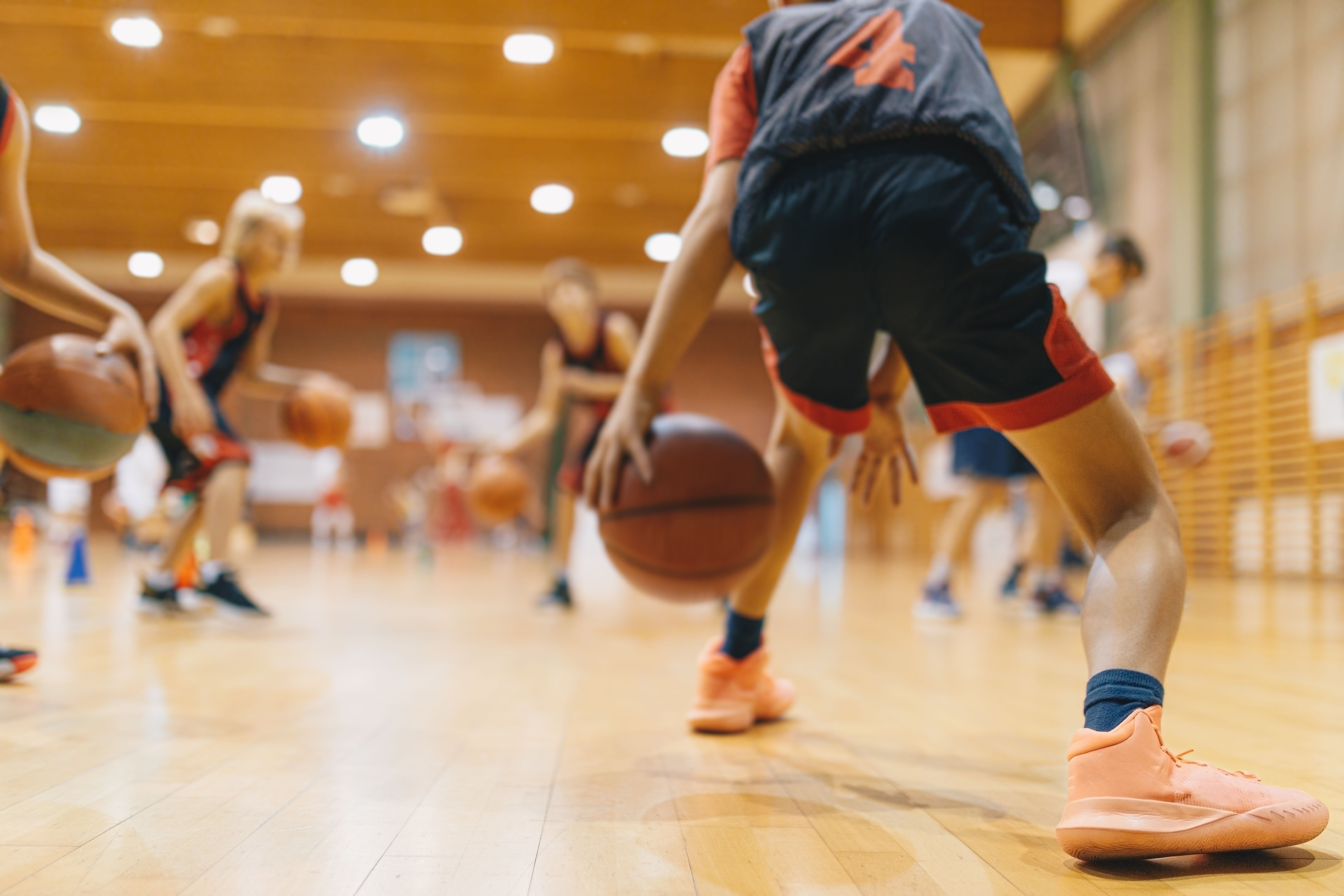
Regular practice under pressure can help athletes become accustomed to high-stakes environments. Simulating competition conditions during training can build resilience and confidence over time.
By incorporating these expert strategies, athletes can transform performance anxiety into a source of motivation and empowerment, unlocking their full potential.