
Sport Psychology vs. Traditional Coaching: What’s the Difference?


In the world of sports, both physical and mental preparation are crucial for success. Two key approaches to athlete development are sport psychology and traditional coaching. While they share common goals, these disciplines differ significantly in their methods and focus areas.

Understanding Sport Psychology
Sport psychology focuses on the mental and emotional aspects of athletic performance. It aims to enhance an athlete's mindset, motivation, and overall mental well-being. Professionals in this field use techniques like visualization, goal setting, and mental rehearsal to help athletes overcome challenges and improve their performance.
The Role of a Sport Psychologist
Sport psychologists work closely with athletes to identify mental barriers and develop strategies to overcome them. They help athletes manage stress, anxiety, and pressure, often using methods such as cognitive-behavioral therapy. The emphasis is on building mental resilience and promoting a positive self-image.
Traditional Coaching Explained
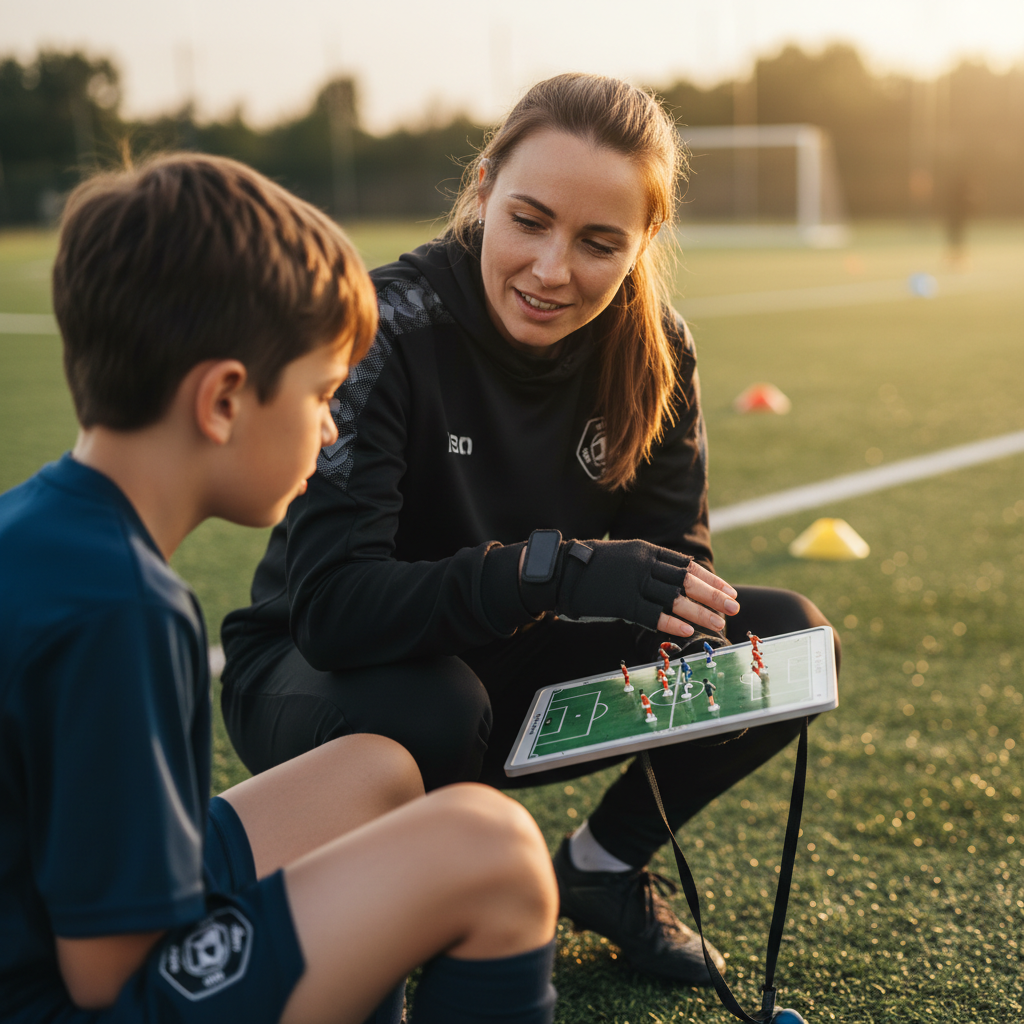
Traditional coaching, on the other hand, primarily focuses on the physical training and technical skills of athletes. Coaches design training programs to improve an athlete's strength, speed, and technique. They also provide tactical guidance and feedback to optimize performance during competitions.
The Coach's Responsibilities
Coaches are responsible for creating a structured training environment and fostering team dynamics. They often serve as mentors, guiding athletes through the physical demands of their sport. Their expertise lies in understanding the sport's mechanics, strategies, and rules.
Key Differences Between the Two Approaches
While sport psychology and traditional coaching both aim to enhance an athlete's performance, they differ in several key ways:
- Focus: Sport psychology emphasizes mental skills, whereas traditional coaching focuses on physical skills.
- Methods: Sport psychology uses psychological techniques, while coaching involves physical training and skill development.
- Outcomes: The goal of sport psychology is mental resilience, whereas coaching aims for technical proficiency and tactical awareness.
Integrating Both Approaches
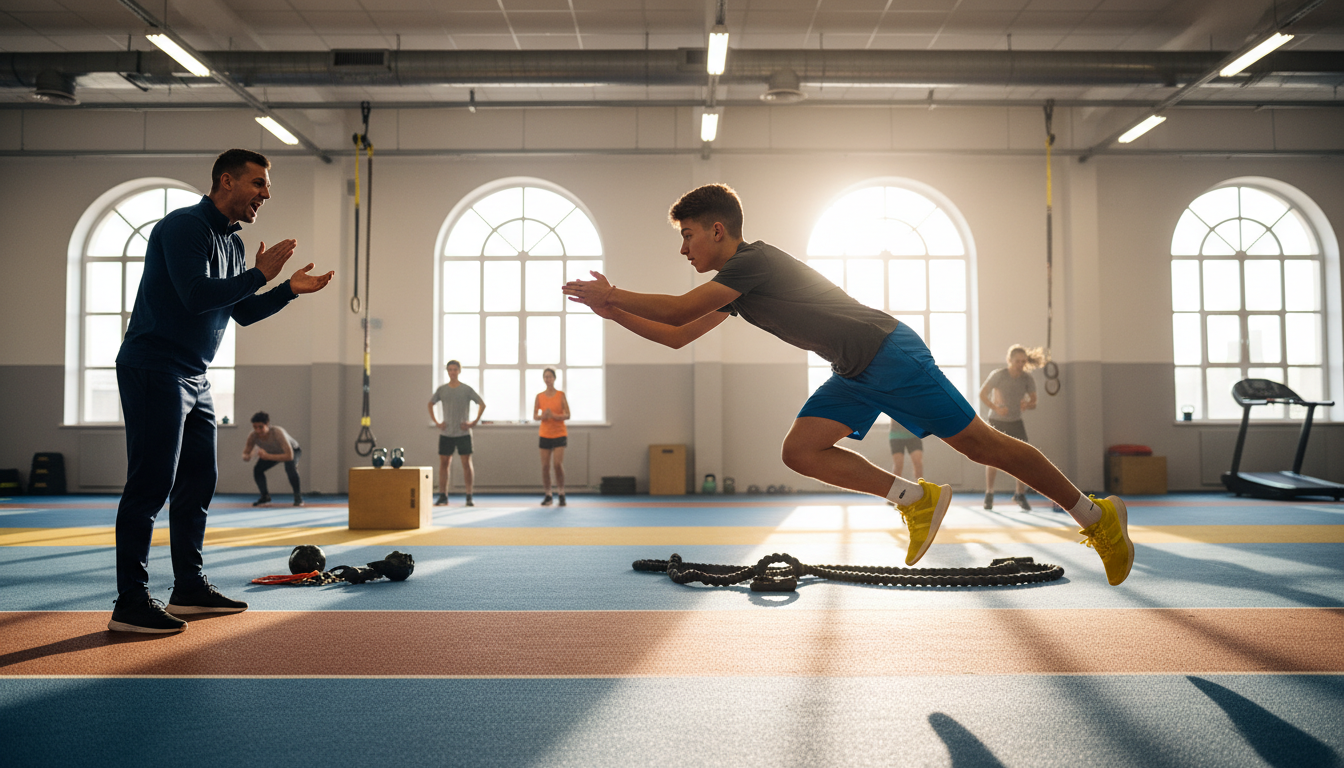
For optimal athlete development, integrating both sport psychology and traditional coaching is essential. By combining mental conditioning with physical training, athletes can achieve a well-rounded skill set. Coaches and psychologists often collaborate to ensure athletes receive comprehensive support.
In conclusion, both sport psychology and traditional coaching play vital roles in an athlete's journey. Understanding their differences and benefits can help athletes and teams create a balanced approach to training, leading to greater success both on and off the field.