
The Impact of Seasonal Changes on Athletes' Mental Health


Understanding Seasonal Changes and Their Effects
Seasonal changes can have a profound impact on an athlete's mental health. As the weather shifts, athletes may experience fluctuations in their mood, energy levels, and overall performance. Understanding these changes is crucial for maintaining optimal mental well-being throughout the year.
The transition from summer to fall, and eventually to winter, often brings about shorter days and reduced sunlight. This can lead to seasonal affective disorder (SAD), a type of depression that occurs at a specific time of year, usually in the winter. Athletes, who rely heavily on their physical and mental state, can be particularly vulnerable to these changes.
The Role of Light and Weather
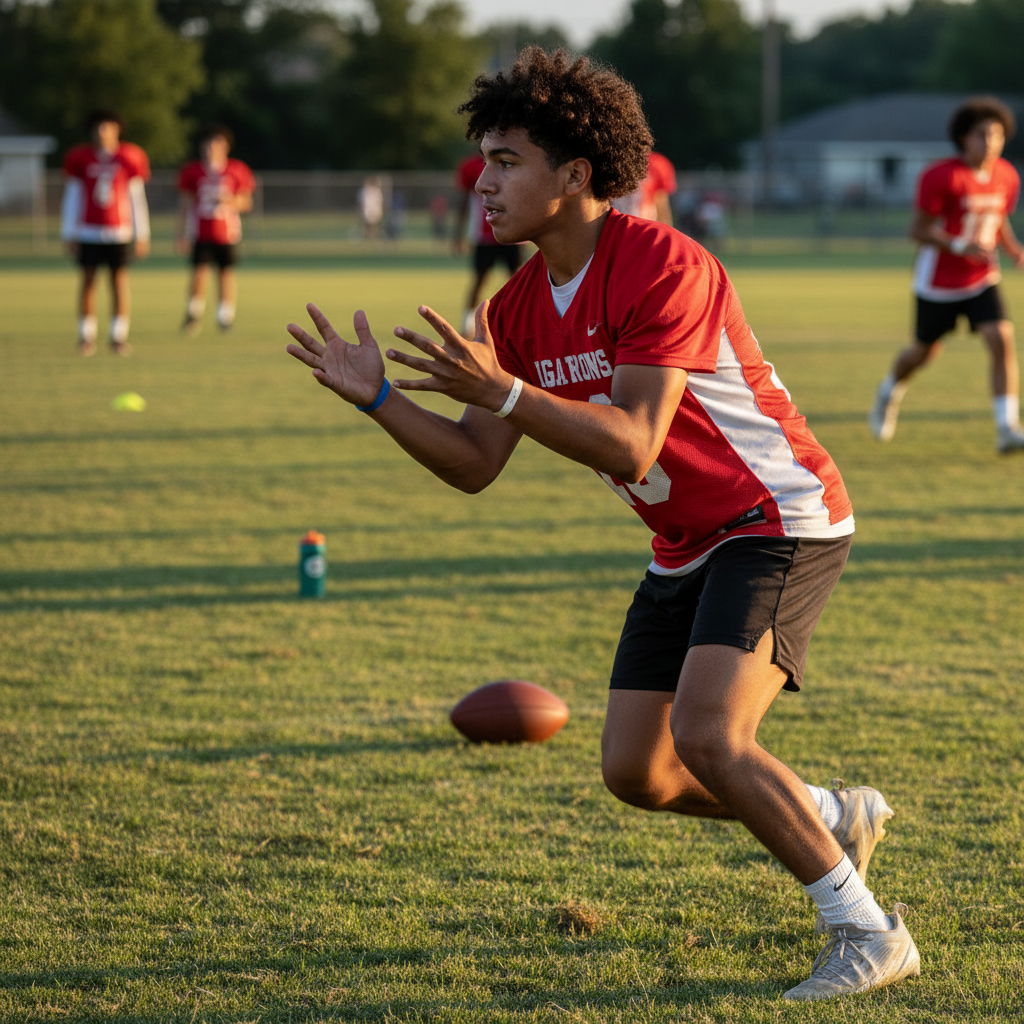
One of the primary factors influencing an athlete's mental health during seasonal transitions is the change in daylight. Reduced sunlight can lead to decreased serotonin levels, impacting mood and creating feelings of lethargy and depression. Athletes may also find themselves training indoors more frequently, which can further exacerbate feelings of isolation.
Weather conditions can also affect training schedules and outdoor activities. Cold temperatures, snow, and ice can limit the types of sports that can be performed, potentially leading to frustration and decreased motivation among athletes.

Strategies to Combat Seasonal Affective Disorder
Fortunately, there are several strategies athletes can employ to combat the negative effects of seasonal changes. One effective method is light therapy, which involves exposure to bright, artificial light that mimics natural sunlight. This can help regulate mood and improve energy levels.
Additionally, maintaining a regular exercise routine is vital. Physical activity releases endorphins, which can improve mood and reduce stress. Athletes should also focus on setting realistic goals and maintaining a balanced diet to support their mental health.

The Importance of Mental Health Support
Access to mental health support is crucial for athletes dealing with the impact of seasonal changes. Coaches and sports organizations should prioritize mental health resources, offering counseling and support groups to help athletes navigate these challenges.
Encouraging open conversations about mental health can also reduce stigma and empower athletes to seek help when needed. By fostering a supportive environment, athletes can feel more comfortable addressing any mental health issues they may face.
Conclusion: Embracing Change for Better Outcomes
While seasonal changes can pose challenges to athletes' mental health, understanding and addressing these impacts can lead to better outcomes. By implementing strategies to combat seasonal affective disorder and providing robust mental health support, athletes can maintain their well-being and continue to perform at their best throughout the year.