
The Impact of Sport Psychology on Team Dynamics


Understanding Sport Psychology
Sport psychology is a field that delves into how psychological factors can affect performance and well-being in athletes. It emphasizes the importance of mental strategies to enhance athletic performance and overall team dynamics. By focusing on motivation, concentration, and emotional regulation, sport psychology offers valuable insights for both individual athletes and entire teams.

Building Stronger Communication
Effective communication is the backbone of successful team dynamics. Sport psychology provides tools to improve communication skills among team members, fostering a more cohesive unit. Techniques such as active listening and constructive feedback help athletes better understand each other’s perspectives and needs. This mutual understanding is crucial for resolving conflicts and achieving common goals.
Moreover, clear communication helps teams to develop a shared vision and coordinate their efforts more efficiently. Teams that communicate well are more likely to experience fewer misunderstandings and improved performance on the field.
Enhancing Team Cohesion
Team cohesion is the degree to which team members stick together and remain united in pursuing objectives. Sport psychology plays a critical role in enhancing this cohesion by promoting trust and mutual respect among players. Exercises that focus on team-building and trust-building can significantly improve interpersonal relationships within the team.

When athletes feel connected and valued, they are more likely to support one another, leading to a stronger team spirit. This enhanced cohesion not only boosts morale but also increases the likelihood of achieving success in competitions.
Improving Motivation and Focus
Motivation and focus are key components of athletic success. Sport psychologists work with teams to develop strategies that enhance motivation, such as setting achievable goals and recognizing individual contributions. By fostering an environment where athletes feel motivated, teams can sustain high levels of performance and resilience.
Additionally, techniques such as visualization and mindfulness are often employed to help athletes maintain focus during critical moments. These strategies allow players to remain present and perform at their best when it matters most.

Managing Stress and Pressure
In the high-stakes world of competitive sports, managing stress and pressure is essential. Sport psychology equips athletes with coping mechanisms to handle the psychological demands of competition. Techniques such as deep breathing, relaxation exercises, and positive self-talk are commonly used to alleviate stress.
By learning how to manage pressure effectively, athletes can maintain composure and execute their skills under challenging conditions. This ability to stay calm and focused under pressure is a hallmark of successful teams.
The Role of Leadership in Team Dynamics
Leadership plays a pivotal role in shaping team dynamics. Sport psychology offers insights into effective leadership styles and practices that can foster a positive team environment. Leaders who demonstrate empathy, provide support, and encourage open communication can significantly influence team morale and performance.
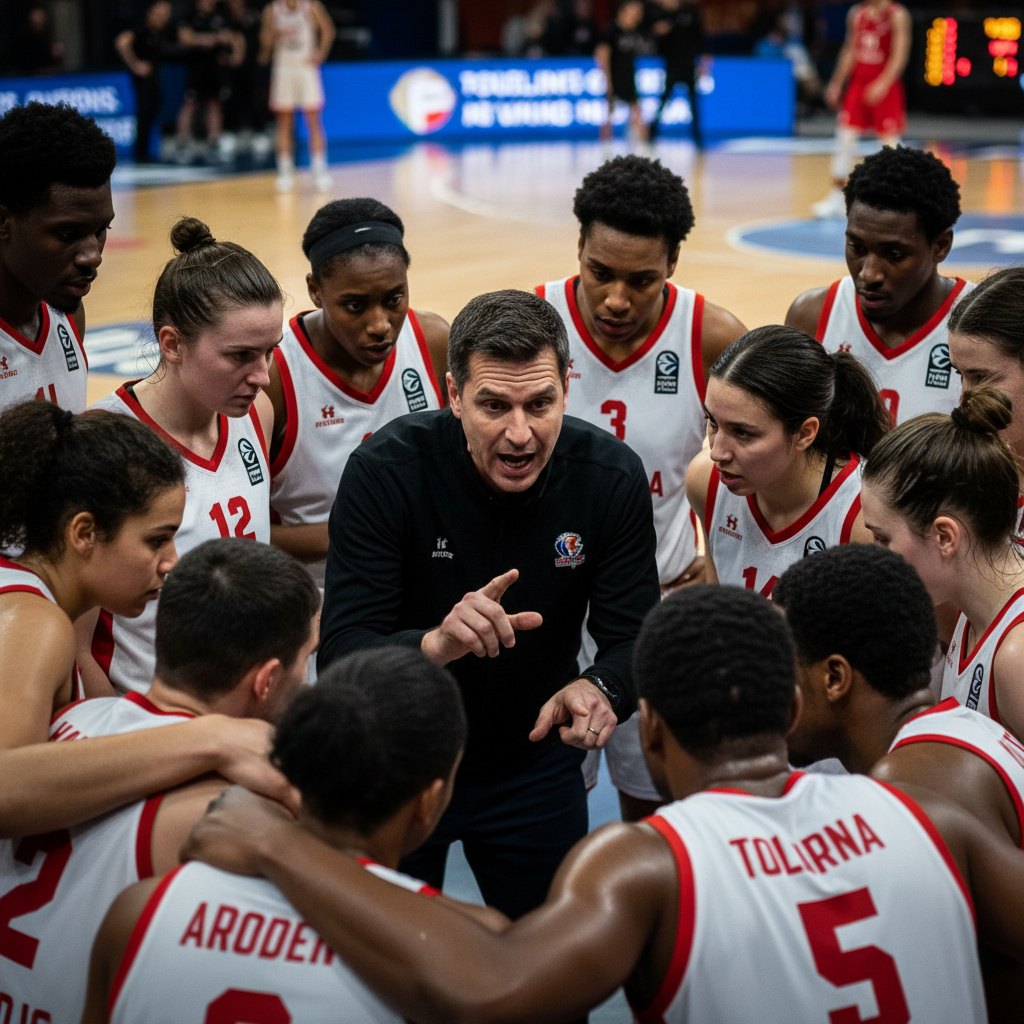
Strong leadership helps to establish a culture of accountability and commitment, ensuring that all team members are aligned and working towards the same objectives. This alignment is crucial for achieving long-term success and stability within the team.