
The Role of Sport Psychology in Enhancing Athletic Performance


Understanding Sport Psychology
Sport psychology is a specialized field that focuses on the mental and emotional aspects of athletic performance. It plays a crucial role in helping athletes enhance their performance, overcome obstacles, and achieve their goals. By understanding the psychological factors that influence performance, athletes can gain a competitive edge and improve their overall well-being.

Key Components of Sport Psychology
Mental Skills Training
Mental skills training is a core component of sport psychology. It involves techniques such as visualization, goal setting, and self-talk to help athletes improve focus, confidence, and motivation. By practicing these skills, athletes can better manage pressure and maintain concentration during competitions.
Emotional Regulation
Emotional regulation is essential for athletes to perform at their best. Sport psychologists work with athletes to develop strategies for managing anxiety, stress, and other emotions that can impact performance. This includes relaxation techniques and mindfulness practices that promote a calm and focused mindset.
Benefits of Sport Psychology
Incorporating sport psychology into training routines offers numerous benefits. Athletes can enhance their mental resilience, improve consistency, and achieve a better balance between training and personal life. These benefits contribute to a more fulfilling athletic experience and can lead to greater success in competitions.

Building Confidence
Confidence is a key factor in athletic success. Sport psychologists help athletes build self-assurance through positive reinforcement and by addressing underlying fears or doubts. This boost in confidence can lead to improved performance and a willingness to take on new challenges.
Team Dynamics and Communication
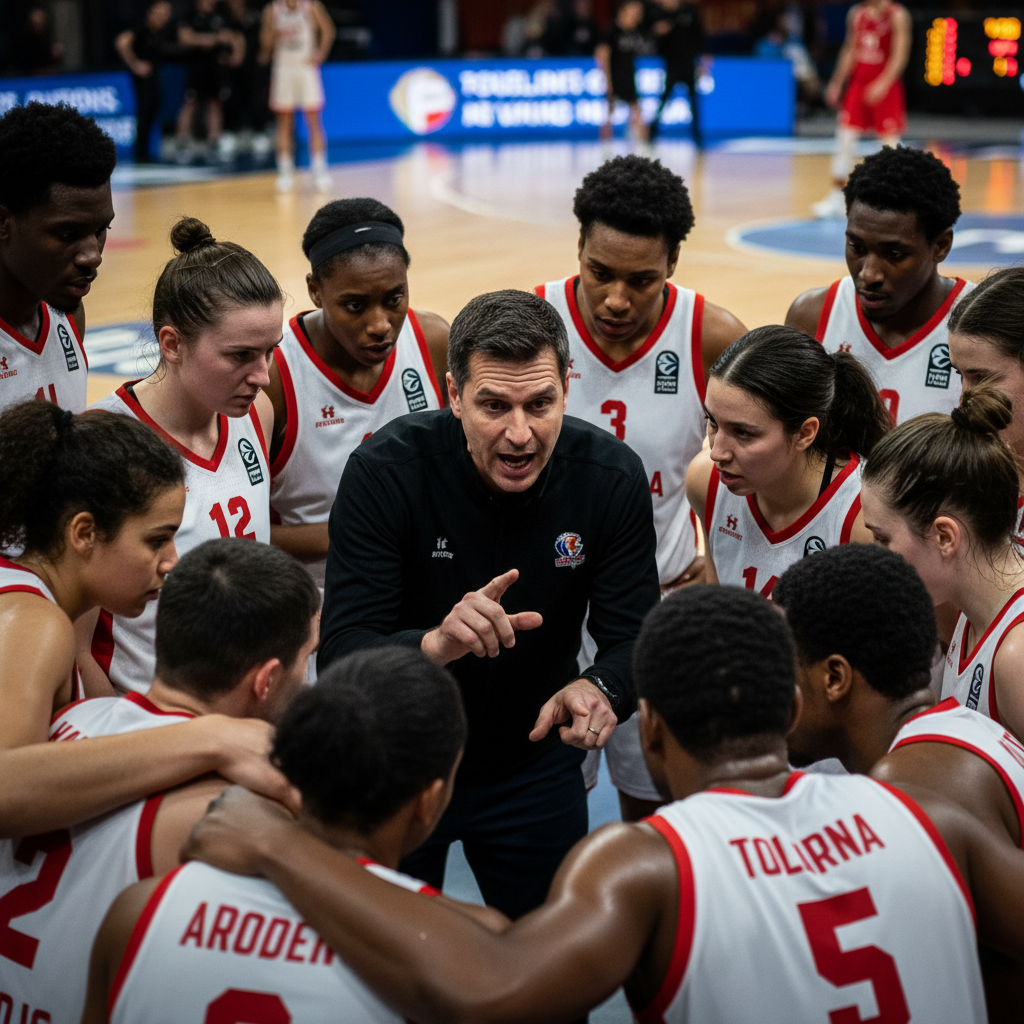
For team sports, effective communication and strong team dynamics are vital. Sport psychologists work with teams to enhance communication skills, build trust, and foster a supportive environment. This collaboration can lead to better teamwork and more successful outcomes on the field.
Integrating Sport Psychology into Training
Integrating sport psychology into an athlete's training regimen requires collaboration between coaches, psychologists, and athletes. This holistic approach ensures that mental training complements physical training, leading to well-rounded development. By prioritizing mental health, athletes can achieve sustainable performance improvements.
In conclusion, sport psychology is an invaluable tool for athletes seeking to elevate their performance. By focusing on mental skills, emotional regulation, and team dynamics, athletes can unlock their full potential and enjoy a more rewarding sports career.