
Top Techniques in Sport Psychology for Improving Focus


Understanding Focus in Sports Psychology
In the world of sports, maintaining focus is an essential skill that can significantly impact an athlete’s performance. Focus involves directing attention to relevant stimuli while filtering out distractions. It is not just about concentration but also about maintaining that concentration when it matters most.

Mindfulness and Meditation
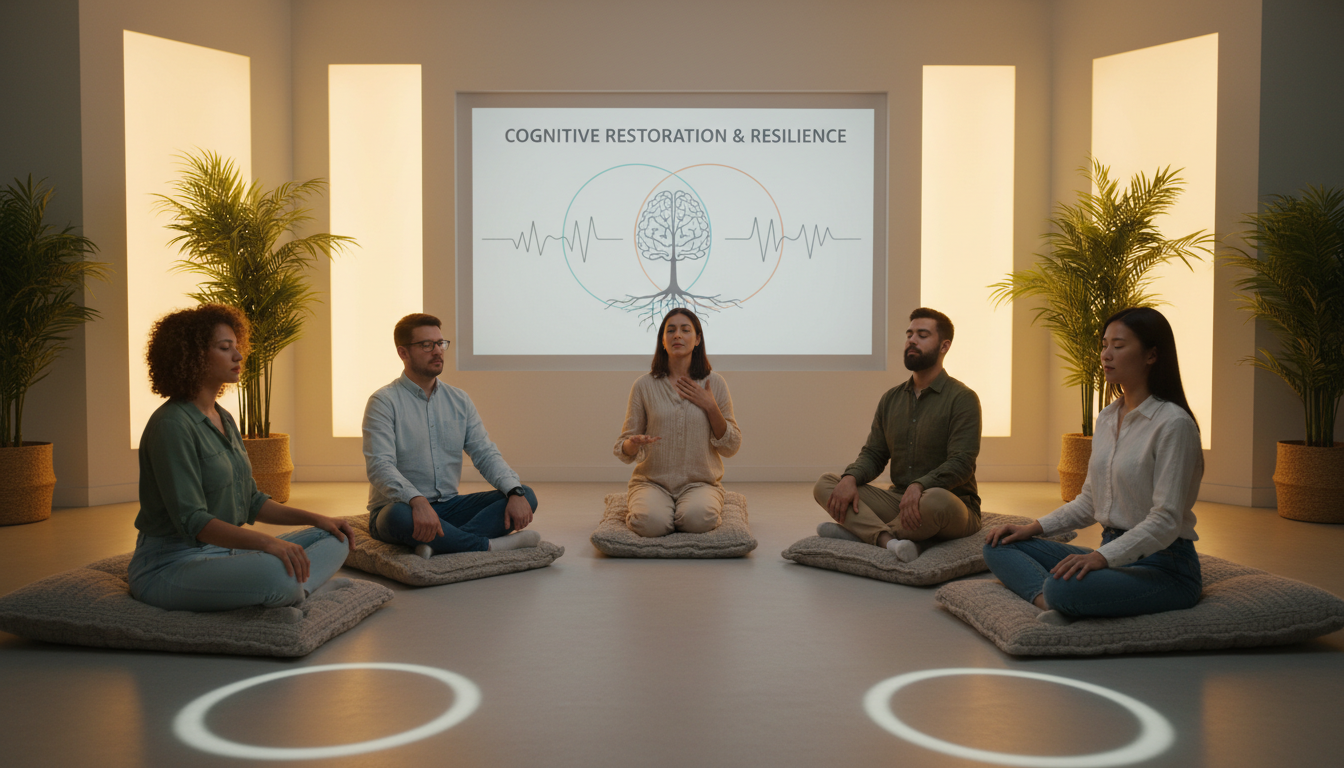
Mindfulness and meditation are powerful techniques used to enhance focus. By practicing mindfulness, athletes learn to stay present in the moment, which reduces anxiety and improves performance. Meditation helps in calming the mind, allowing athletes to focus on their goals without getting overwhelmed by pressure.
Regular practice of these techniques can lead to improved mental clarity and emotional regulation. Many athletes incorporate mindfulness into their daily routines to maintain a high level of focus during competitions and training sessions.
Goal Setting and Visualization
Setting clear, achievable goals is a critical component of sports psychology. Goals provide direction and motivation, helping athletes concentrate their efforts on what truly matters. Visualization, on the other hand, involves mentally rehearsing a performance or skill. This technique helps athletes prepare for various scenarios, enhancing their focus and confidence.
Developing Pre-Performance Routines
Pre-performance routines are sequences of actions or thoughts that athletes engage in before an event. These routines help in creating a sense of familiarity and control, which can significantly boost focus. By having a consistent routine, athletes can transition into a focused state more easily, reducing pre-performance anxiety.
Managing Distractions and Stress
Distractions and stress are inevitable in sports, but effective management of these factors is crucial for maintaining focus. Techniques such as deep breathing, progressive muscle relaxation, and cognitive restructuring can be used to manage stress. These techniques allow athletes to maintain a calm and composed demeanor, enhancing their focus.
Feedback and Reflection
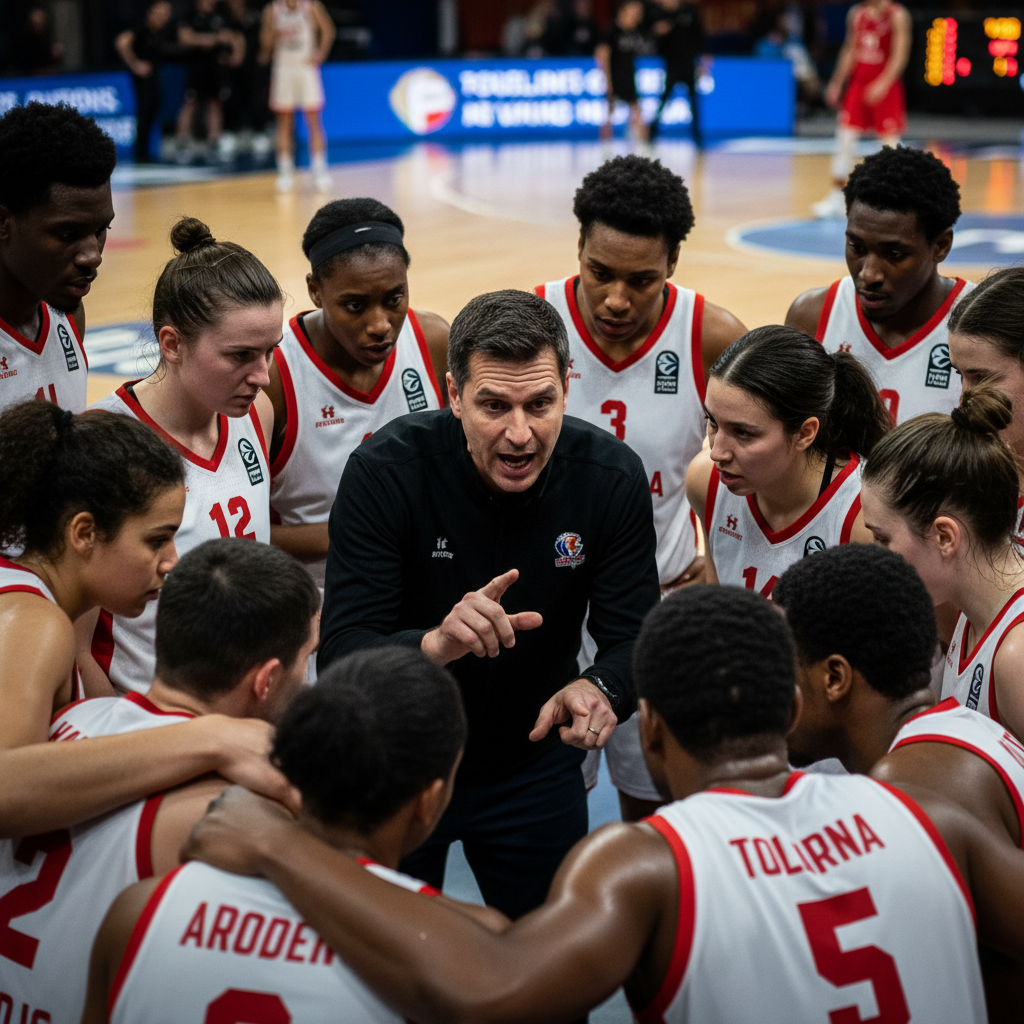
Regular feedback and reflection are vital for continuous improvement. By analyzing performances, athletes can identify areas that need focus and work on them. Constructive feedback from coaches helps in addressing weaknesses and reinforcing strengths, which is fundamental for maintaining focus and achieving excellence.
Reflection allows athletes to internalize their experiences, promoting self-awareness and better focus in future performances.
Building Resilience
Resilience is the ability to bounce back from setbacks and maintain focus despite challenges. Developing resilience involves cultivating a positive mindset, learning from failures, and staying committed to goals. Resilient athletes are better equipped to handle pressure, distractions, and adversity, enabling them to maintain their focus even under difficult circumstances.

In conclusion, focus is a multi-faceted skill that can be enhanced through various sports psychology techniques. By incorporating mindfulness, goal setting, pre-performance routines, stress management, feedback, and resilience-building, athletes can significantly improve their focus and overall performance.