
Unlocking Athletic Potential: How Sport Psychology Can Transform Performance


Understanding Sport Psychology
Sport psychology focuses on the mental and emotional aspects of athletic performance. By addressing issues such as anxiety, concentration, and motivation, athletes can enhance their performance. This field combines elements of psychology, physiology, and coaching to foster a holistic approach to athletic development.
Many athletes find that their mental state can make or break their performance. A strong mindset is as crucial as physical training. Embracing sport psychology techniques can lead to significant improvements not only in performance but also in overall well-being.

Enhancing Mental Toughness
Mental toughness is the ability to remain focused and composed under pressure. It's about maintaining confidence and resilience, even in challenging situations. Sport psychologists work with athletes to develop this essential skill, helping them to push through barriers and stay committed to their goals.
Through techniques such as visualization and positive self-talk, athletes learn to control their thoughts and emotions. This mental discipline is key to overcoming obstacles and achieving peak performance.
Visualization Techniques
Visualization involves creating mental images of success. Athletes use this technique to rehearse performances, envisioning themselves achieving their goals. This practice helps in building confidence and reducing anxiety before competitions.

Building Confidence and Motivation
Confidence and motivation are crucial components of athletic performance. Sport psychology provides strategies to enhance these areas, ensuring athletes remain driven and self-assured. Setting realistic goals and celebrating small victories are fundamental techniques used to boost motivation.
Confidence stems from self-belief and past successes. By reflecting on achievements and maintaining a positive outlook, athletes can reinforce their self-esteem and approach competitions with a winning mindset.
Goal Setting Strategies
Effective goal setting involves creating specific, measurable, achievable, relevant, and time-bound (SMART) goals. This approach helps athletes focus on their objectives and track progress. Breaking down larger goals into smaller, manageable tasks can make the journey less daunting and more rewarding.

Managing Stress and Anxiety
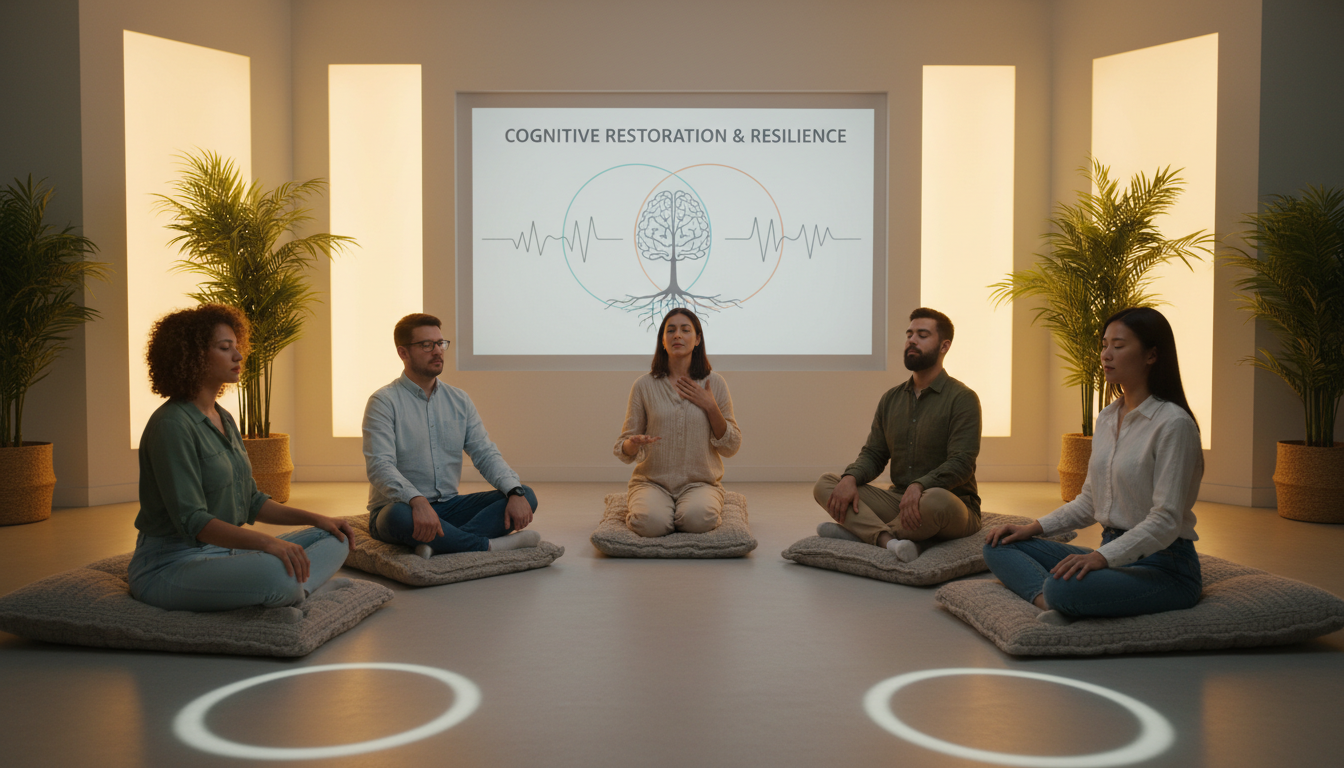
Stress and anxiety can significantly impact performance. Sport psychology offers techniques to manage these emotions, ensuring they don't hinder an athlete's potential. Relaxation exercises, mindfulness, and breathing techniques are commonly used to reduce stress levels.
By learning to control their physiological responses to stress, athletes can maintain composure and focus, even in high-pressure situations. This control is vital for delivering consistent, high-level performances.
Improving Team Dynamics
Sport psychology is not limited to individual athletes; it also plays a significant role in team sports. Effective communication, leadership, and cohesion are essential for team success. Sport psychologists help teams develop these skills, fostering a positive and collaborative environment.
Building trust and understanding among team members leads to better cooperation and collective performance. Teams that embrace these principles often find themselves better equipped to handle challenges and achieve their goals together.